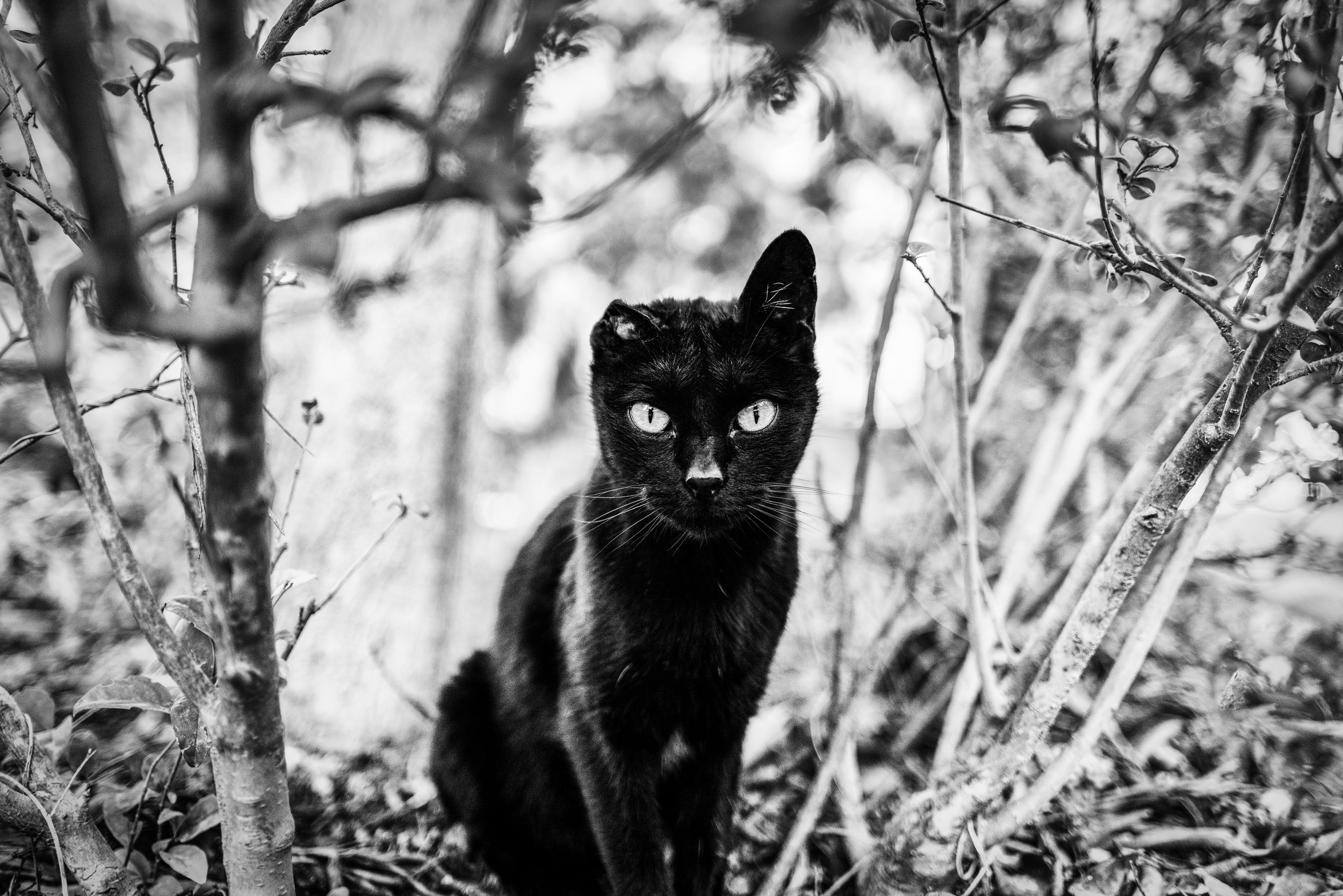
The Reality
The street cats of Valencia are everywhere. But their presence is neither natural nor inevitable. It is the result of human decisions — and it can be changed by human decisions too.
How they got here
Most street cats are not wild animals. They are domestic cats — abandoned by their owners, born to abandoned mothers, left to survive in conditions they were never meant for. In Spain alone, over 118,000 cats were taken in by shelters in 2024. Those are only the ones someone found.
What is a colony?
A feline colony is a group of street cats with a fixed feeding point and volunteer carers who attend to them regularly. Colonies are not a problem — they are a managed solution. Without carers, cats breed uncontrollably, suffer without veterinary care, and die younger. With carers, colonies stabilise, cats are sterilised, and suffering is reduced.
The CER method
The only proven way to control street cat populations is Capture, Sterilise, Return — known as CER. Removing cats from an area doesn't work: others move in to fill the space. Sterilisation stabilises the colony and gradually reduces its size over time. This has been standard practice in many countries since the 1990s.
The law
Since 2023, Spain's Animal Welfare Law recognises feline colonies. Local councils are responsible for animals on public land. Accredited volunteer carers operate legally. The framework exists — what is still needed is awareness, resources, and social will.
The black cats
Black cats are abandoned and adopted at disproportionate rates — victims of a medieval superstition that persists into the 21st century. They make up a significant proportion of colony populations. In October, many Spanish shelters suspend black cat adoptions to protect them from ritual harm. In June, around the Night of San Juan, colony carers report unexplained disappearances. An animal can still disappear in 2025 because of the colour of its fur.
The numbers
Every hour, 33 animals are abandoned in Spain. 95% of cats arriving at shelters have no microchip — meaning almost no owner is ever traced. Abandonment, in most cases, has no consequences for the person responsible. Only for the animal.
These cats are on the street because we put them there. Their wellbeing is our responsibility.